March 2, 2026
Choosing the right dumpster rental size is one of the most important steps in planning a successful project. Whether you are tackling a home renovation, managing a landscaping overhaul, or coordinating a large-scale construction job, selecting the correct container ensures efficiency, safety, and cost control. An improperly sized dumpster can lead to unnecessary delays, additional fees, and logistical headaches that disrupt your workflow. By understanding the factors that influence waste volume and disposal needs, you can make confident decisions that keep your project on track from start to finish. A thoughtful approach to dumpster rental involves more than simply estimating how much debris you might generate. It requires evaluating the type of materials, the duration of the project, available space, and environmental considerations. When these elements are aligned, waste management becomes seamless rather than stressful.
Understanding Dumpster Sizes and Capacity Options
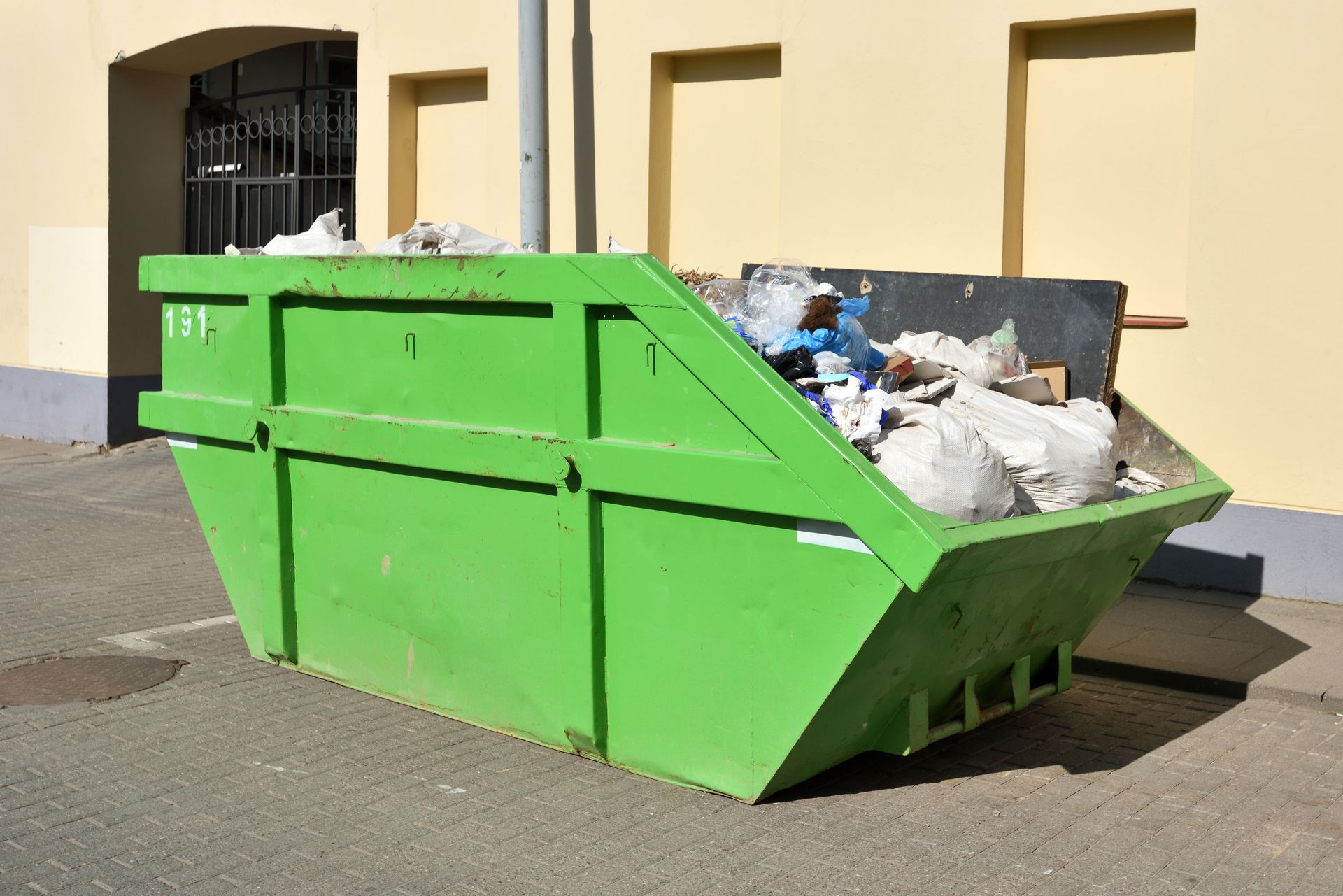
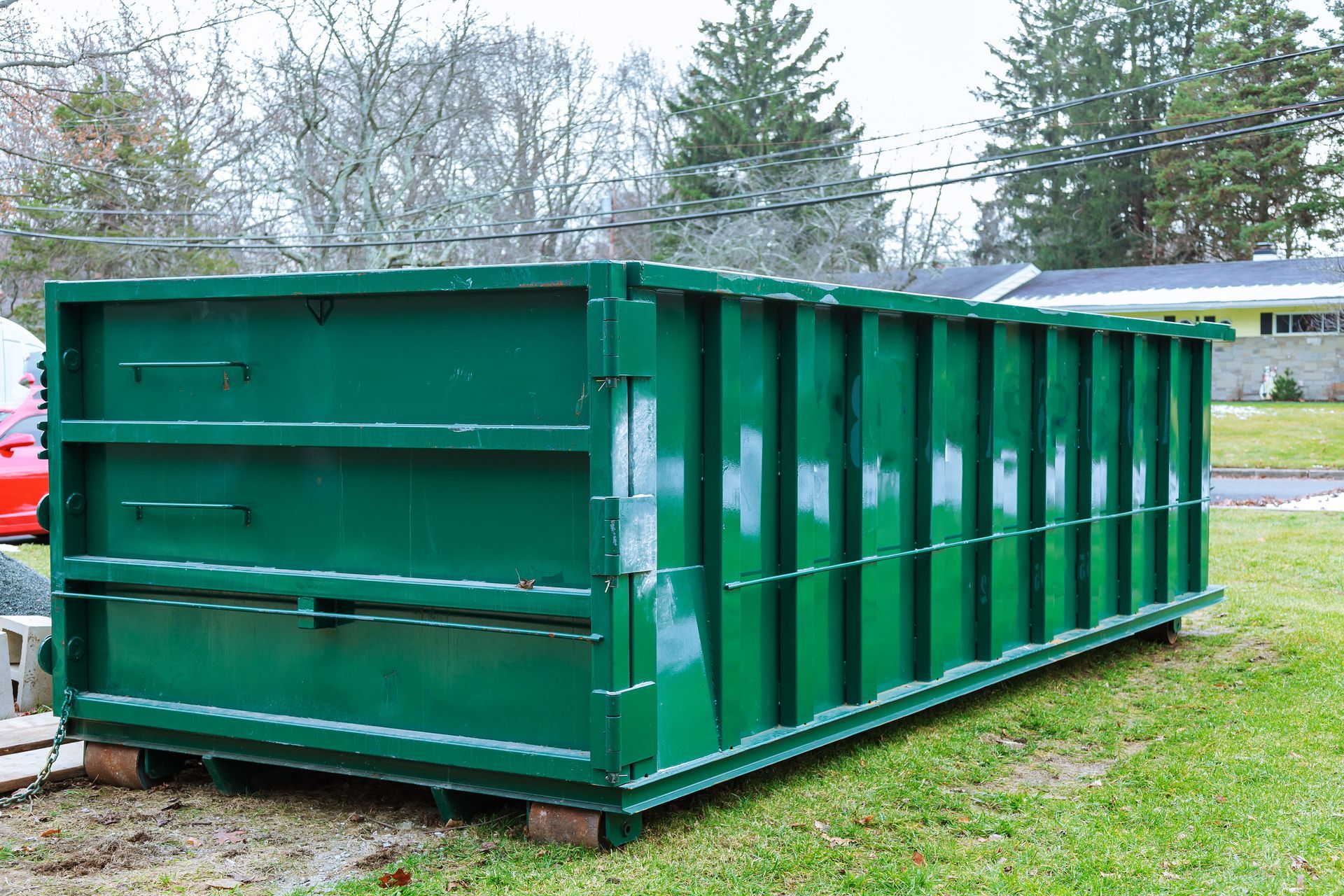
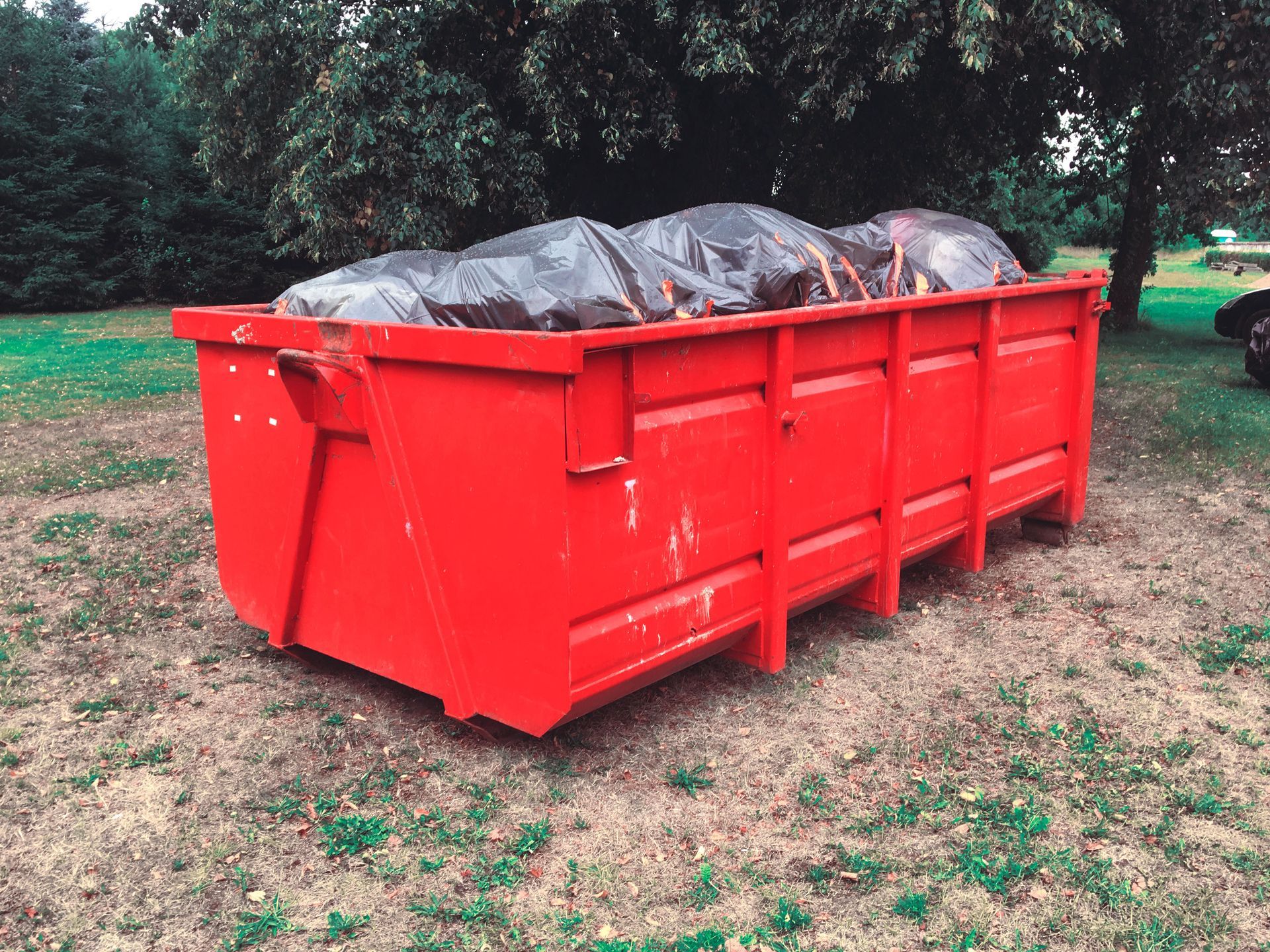
Understanding available dumpster sizes and their capacities lays the foundation for a successful rental decision. Dumpsters are typically measured in cubic yards, with common sizes including 10, 20, 30, and 40 yards. Each size serves a distinct purpose, from small residential cleanouts to major commercial projects. A 10-yard dumpster rental is ideal for minor home renovations, garage cleanouts, or small landscaping jobs, while a 20-yard option suits medium remodeling projects or roofing replacements. Larger projects, such as full home renovations or commercial cleanouts, often require 30- or 40-yard containers.
Beyond volume, it is essential to consider the physical dimensions of each container. Space constraints on residential properties or crowded job sites can limit which sizes are practical. Selecting a dumpster rental that fits comfortably within your available space ensures easy loading and safe access for pickup. Additionally, understanding how cubic yard measurements translate into real-world volume allows for more accurate planning, reducing the risk of overflow or wasted space.
Capacity planning also includes recognizing weight limitations. Even if debris fits within the container, exceeding weight limits can result in additional charges. Materials like concrete, soil, or roofing shingles are significantly heavier than household junk, which means they may require a larger container to remain within safe weight thresholds. Balancing volume and weight considerations ensures your dumpster rental meets both logistical and financial goals.
Evaluating Project Scope and Waste Characteristics
Evaluating the scope of your project is essential for determining the right dumpster rental size. The nature of the work directly affects the volume and type of debris generated. A simple decluttering project produces far less waste than a full kitchen renovation or structural demolition. By identifying the project’s complexity and scale, you gain valuable insight into how much disposal capacity you truly need.
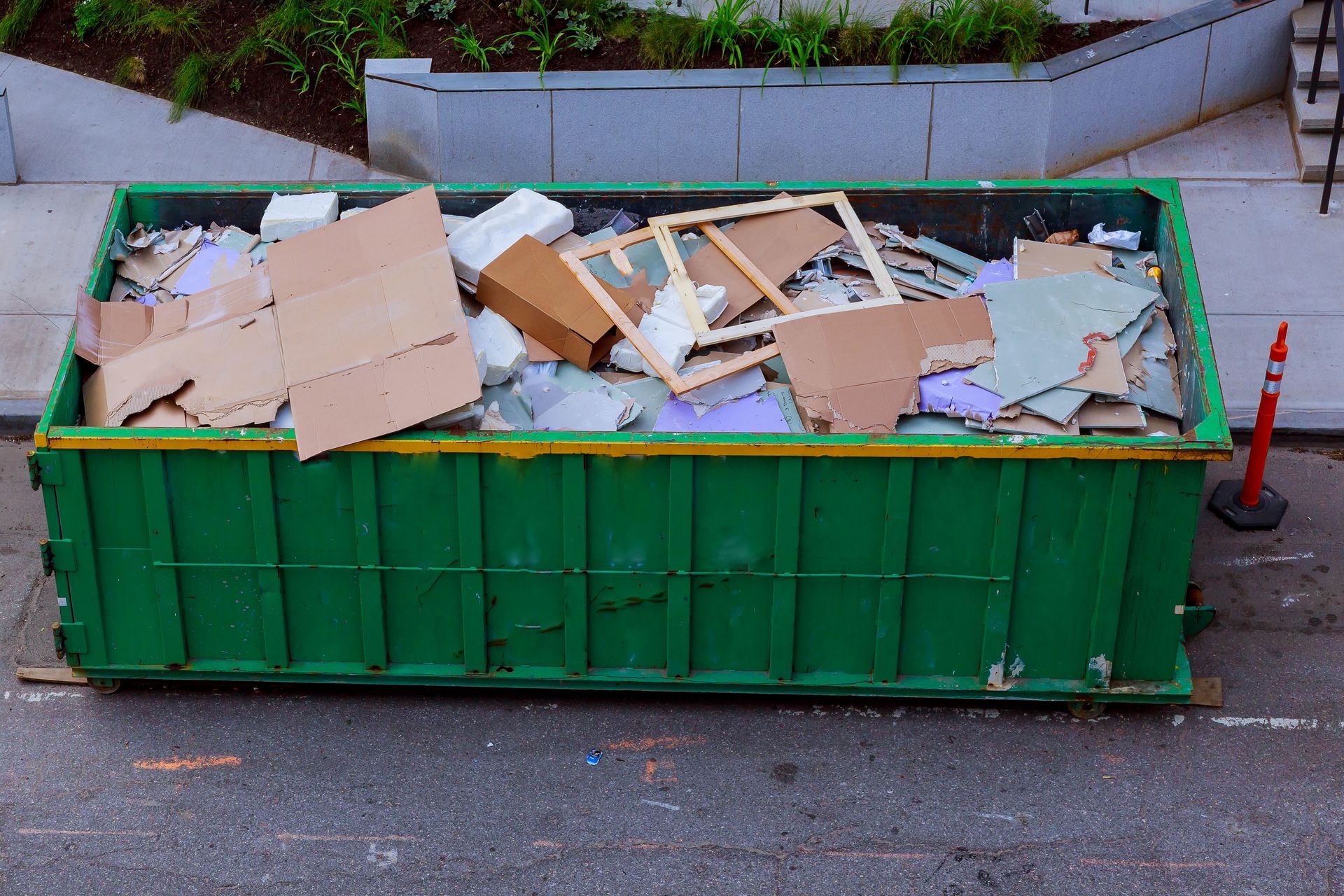
Waste characteristics play an equally important role. Bulky items such as furniture and drywall consume significant space but may not be especially heavy, while materials like concrete, brick, and dirt quickly reach weight limits. Knowing the composition of your debris helps refine your size selection and prevents costly overages. Sorting waste whenever possible also supports more efficient loading, allowing you to maximize the capacity of your chosen dumpster rental.
Project duration further influences size decisions. Short-term projects may benefit from slightly larger containers to avoid frequent pickups, while long-term projects might require smaller dumpsters with scheduled exchanges. Aligning the rental period with project timelines ensures uninterrupted progress and minimizes disruptions. Careful evaluation of scope and waste characteristics ensures your dumpster rental supports productivity rather than hindering it.
Calculating Estimated Waste Volume Accurately
Calculating waste volume accurately is a cornerstone of effective planning. One reliable method involves measuring anticipated debris in cubic yards by estimating the dimensions of removed materials. For example, tearing out cabinetry, flooring, and drywall can quickly accumulate several cubic yards of waste. Past project data or contractor estimates can also provide helpful benchmarks, especially for renovations or construction tasks similar in scope.
Consulting with waste management professionals adds another layer of accuracy. Experienced providers can recommend appropriate sizes based on project descriptions and material types. Their insights help prevent underestimating needs, which can result in overflow, emergency pickups, and unexpected expenses. Visual estimation combined with expert guidance offers a balanced approach to volume calculation.
Planning for Site Logistics and Space Constraints
Planning for logistics and space constraints ensures your dumpster rental integrates smoothly into your project site. Available space determines not only the maximum size you can accommodate but also placement strategy. Residential driveways, narrow alleys, and urban environments often limit container dimensions, making thoughtful planning essential. Choosing a size that fits comfortably prevents accessibility issues and safety hazards.
Placement logistics should also consider ease of loading and pickup access. Containers positioned too far from the work area increase labor time and reduce efficiency. Conversely, placing dumpsters too close to structures or pathways may violate local regulations or obstruct traffic. Balancing convenience and compliance helps maintain a safe, efficient work environment.
Weather and terrain further influence placement decisions. Soft ground, slopes, and uneven surfaces require careful positioning to prevent tipping or damage. Some projects benefit from temporary protective barriers or reinforced surfaces. Addressing these factors in advance ensures your dumpster rental contributes positively to site organization and workflow rather than creating complications.
Managing Weight Limits and Material Restrictions
Managing weight limits is crucial to avoiding unexpected fees and operational delays. Each dumpster rental size comes with a maximum allowable weight, and exceeding this limit can significantly increase costs. Dense materials such as concrete, asphalt, roofing shingles, and soil quickly accumulate weight, even in smaller volumes. Understanding these limits helps balance size selection with material density.
Material restrictions also influence container choice. Certain hazardous items, electronics, and appliances require special handling and may not be accepted in standard dumpsters. Identifying restricted materials early allows you to plan alternative disposal methods, ensuring compliance with local regulations and environmental guidelines. Clear communication with your rental provider helps avoid misunderstandings and ensures proper handling of all waste types.
Optimizing Environmental Responsibility and Compliance
Optimizing environmental responsibility enhances both project sustainability and community impact. Selecting the right dumpster rental size supports effective sorting and recycling, reducing landfill contributions. Proper waste segregation encourages recovery of reusable materials, conserving resources and minimizing environmental harm.
Waste generation in the United States underscores the importance of responsible disposal practices. According to RTS, the U.S. produces over 728,000 tons of waste each day, equating to more than 4.9 pounds per person daily. This staggering statistic highlights the need for efficient waste management strategies that prioritize reduction, reuse, and recycling. By choosing appropriately sized dumpsters and adhering to sustainable practices, projects contribute to meaningful environmental progress.
Compliance with local disposal regulations further strengthens environmental stewardship. Proper documentation, material sorting, and adherence to pickup schedules prevent legal issues and promote community well-being. Integrating compliance considerations into your dumpster rental planning ensures your project aligns with both regulatory standards and ethical responsibilities.
Choosing the right dumpster rental size is a strategic decision that directly influences project efficiency, cost control, and environmental impact. By understanding available sizes, evaluating project scope, calculating waste volume, planning for logistics, managing weight limits, and prioritizing sustainability, you create a comprehensive approach to waste management. Each step contributes to a smoother workflow, fewer disruptions, and greater overall success. Thoughtful planning eliminates guesswork and minimizes unforeseen expenses. It also fosters responsible disposal practices that benefit both your project and the broader community. With careful consideration and informed choices, your dumpster rental becomes an asset rather than an obstacle. For dependable service and expert guidance on selecting the perfect dumpster rental for your needs, contact Spartan Landscaping & Snowplowing, LLC today and let their team help you streamline your next project from start to finish.